Travel Visa Guidance
Clear, practical information on Egypt e-Visas and USA ESTA authorizations — helping travelers understand requirements before they book.
- Egypt e-Visa application guidance
- ESTA for UK travelers to the USA
- Visa requirement comparisons
Visa Information Services
Browse our guides covering the most common travel authorization needs for Egypt and the United States.
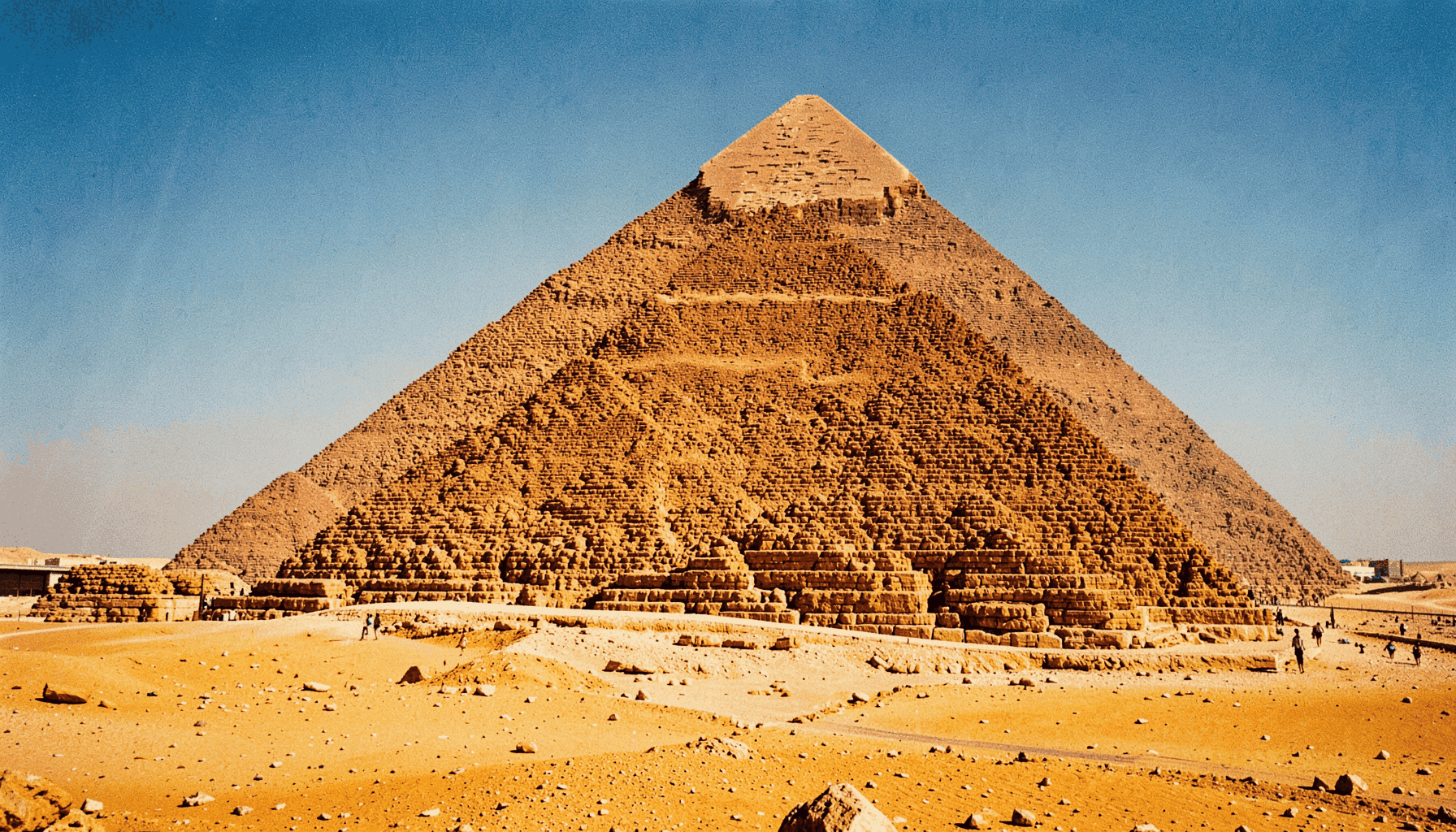
Egypt e-Visa Guide
Learn about Egypt's electronic visa system, including tourist e-Visa details, single-entry options, and the online application process.
Learn More
USA ESTA Information
Understand the ESTA authorization for UK citizens — typically valid for two years and covering tourism, business, and transit visits.
Learn More
Visa Requirements
Compare ESTA and traditional visa options. Short-term visits may use ESTA; longer stays or work and study require a full visa.
Learn MoreClear Guidance
Straightforward explanations of visa types and eligibility.
Up-to-Date Info
Information reflecting current travel authorization rules.
Egypt & USA Focus
Dedicated resources for two of the most common destinations.
ESTA Explained
Details on the two-year validity and permitted travel purposes.
No Surprises
Know what to expect before you apply or travel.
Travel Visa Information at Your Fingertips
Whether you are planning a short holiday to Egypt or a business trip to the United States, understanding the correct travel authorization is essential. Our guides cover Egypt e-Visa applications and the ESTA process for UK travelers heading to America.
Short-term tourism, business trips, and transit visits each have different requirements. We help you identify which path applies to your situation.
View Requirements →
Frequently Asked Questions
Egypt e-Visa for UK travellers visiting religious sites
Egypt’s ancient temples, historic mosques, Coptic churches and monastic communities attract visitors for many reasons, including faith, heritage and personal reflection. For most UK passport holders travelling for tourism, an Egypt e-Visa can cover a visit that includes religious sites, provided the journey remains within the conditions of a tourist stay.
Travellers arranging their trip from Australia should check the authorisation well before flying. A UK citizen living in Sydney, Melbourne, Perth or elsewhere may still need to apply using a valid UK passport, while flight schedules, transit arrangements and accommodation evidence can affect the practical timing of the trip. The e-Visa is permission to seek entry, not a guarantee that border officials will admit a traveller.
What the Egyptian e-Visa covers
The Egyptian tourist e-Visa is designed for short visits connected with tourism and sightseeing. Visiting places such as the Giza churches, Cairo’s historic Islamic quarter, the Monastery of Saint Simon, Abu Simbel temples or the monasteries around the Red Sea can generally fit within that purpose when the trip is organised as tourism.
A religious interest does not usually create a separate online visa category for UK visitors. A traveller attending a service, viewing sacred architecture, joining a cultural tour or visiting a historic pilgrimage location should still select the appropriate tourist purpose rather than describing the journey as employment, study or formal religious work.
The distinction matters where the itinerary includes preaching, organised missionary activity, volunteering, paid work or long-term residence. Those activities may require different permission, and an e-Visa should not be treated as authority for duties that fall outside ordinary tourism.
Validity dates and permitted stay
A single-entry Egypt e-Visa is commonly issued with a validity period that allows the holder to enter Egypt within a defined window, often up to 90 days from issue. Once admitted, the permitted stay is generally up to 30 days. The exact dates and conditions printed on the approved authorisation control, so travellers should read the document rather than relying only on general online summaries.
A multiple-entry option may be available for eligible travellers who expect to leave and return during their travel period. It can be useful for an itinerary combining Egypt with Jordan, Israel, Greece or another destination, although the number of entries and validity period must be checked on the issued visa.
Validity begins according to the authorisation details, not according to the date a traveller feels ready to travel. Applying too early can create a timing problem if the visa expires before arrival, while applying at the last minute leaves little room to correct a passport-number error or a rejected photograph. Keep a copy of the approval and confirm that the passport used at entry is the same one listed in the application.
Religious travel documents and border checks
The passport should normally have at least six months of validity remaining from the planned arrival date. It should also contain sufficient blank space and be in good physical condition. A damaged passport, a recently renewed document or a mismatch between the application and the travel document can lead to delays even when the online approval appears valid.
Carry a printed copy of the e-Visa as well as an offline digital copy. Border officials may ask for the passport, accommodation details, return or onward travel information and a basic explanation of the itinerary. A traveller visiting several religious or archaeological locations should keep hotel confirmations, tour details and internal transport bookings accessible.
Religious sites also have their own customs. Modest clothing is appropriate at mosques, monasteries and churches, and shoulders and knees may need to be covered. Shoes may need to be removed in mosques, photography can be restricted, and some services or monastic areas may not be open to general visitors. These are site rules rather than visa requirements, but respecting them helps prevent difficulties during the visit.
Applying from Australia before departure
UK travellers based in Australia can complete the online application from home, whether they are departing from Sydney, Melbourne, Brisbane or another Australian city. The key requirement is usually the UK passport, not Australian residency. Applicants should enter names, dates of birth, passport details and travel information exactly as they appear in the document.
Allow time to scan or photograph the required materials clearly. A typical application may request a passport bio page, a recent digital photograph, accommodation information and details about the expected arrival. The system may also request an email address for delivery of the approval and a payment card for the application fee.
Australian travel habits can make planning especially important. A traveller flying from Perth may face a longer routing than someone leaving Sydney, while connections through Doha, Dubai, Singapore or Istanbul can create separate transit requirements. A UK citizen living in Australia should check every transit rule independently, especially if the itinerary involves collecting baggage or changing airports.
Use the same passport throughout the journey. If a UK passport is renewed after an e-Visa has been issued, the authorisation may no longer match the document presented at the Egyptian border. In that situation, obtaining fresh guidance before departure is safer than assuming the visa can be transferred.
Limits, extensions and alternative visas
An Egypt e-Visa does not remove the need to comply with Egyptian immigration rules. It normally supports a short tourist visit, but it does not automatically authorise paid activity, academic research, journalism, long-term religious service or residence. Travellers planning a formal retreat, volunteer placement or extended study should investigate the correct visa route before booking flights.
The permitted stay should be treated as a firm deadline. Overstaying can result in fines, questioning at departure or future immigration complications. If an itinerary changes because of illness, cancelled transport or a desire to remain longer, contact the relevant Egyptian immigration authority or embassy before the authorised period ends. Do not assume that an online tourist visa can be extended simply because a traveller has not used all of the available entry window.
The same careful approach applies when comparing travel authorisations for other destinations. A UK citizen continuing from Egypt to the United States may need an ESTA rather than a visa, and the USA ESTA information can help distinguish that US travel authorisation from Egypt’s entry process. These systems are separate: approval for one country does not provide permission to enter another.
Age alone does not necessarily remove an electronic travel requirement. Older UK travellers arranging a wider itinerary can review guidance about ESTA rules over 65 when the United States forms part of the journey. The Egyptian application should still be assessed independently according to passport, purpose and intended stay.
Practical checks before submitting an application
A short review before payment can prevent avoidable mistakes. Religious travel often involves several hotels, early-morning excursions and remote destinations, so the visa information should match the real itinerary as closely as possible. Keep names consistent across bookings, insurance, flights and the passport.
- Check that the UK passport remains valid for at least six months after arrival and is the document named in the application.
- Confirm whether the planned journey needs a single-entry or multiple-entry authorisation.
- Save the approved e-Visa in printed and offline digital form before leaving Australia.
- Carry accommodation, onward travel and tour information for border questions.
- Review clothing, photography and access rules for each mosque, church, monastery or sacred site.
Egypt’s religious and historical attractions are spread across busy cities and rural areas. Cairo traffic can add significant time to a day tour, while trips to Luxor, Aswan or desert monasteries require more detailed transport planning than a simple city break. Australian visitors accustomed to long domestic distances may be comfortable with the scale, but local road conditions, heat and uneven access can still make an ambitious itinerary tiring.
Plan visits around local opening hours and religious observances. Friday schedules may affect access to mosques and businesses, and services at churches or monasteries may limit visitor movement. During Ramadan, public routines and attraction hours can change. A respectful itinerary leaves space for security checks, prayer times and breaks rather than treating every site as an ordinary tourist attraction.
An approved e-Visa is one part of the preparation. Travel insurance, medication planning, copies of important documents and reliable contact details remain valuable, especially for travellers moving between Cairo, the Nile Valley and remote religious locations. Check current government travel advice and official Egyptian requirements close to departure because entry procedures can change.
Review the eligibility conditions and prepare the application before making non-refundable arrangements. If the planned religious visit includes unusual activities, an extended stay or several entries, submit an enquiry for guidance through U R Food Safety before travelling so the chosen authorisation matches the journey.
Ready to Plan Your Trip?
Explore our detailed guides on Egypt e-Visas and USA ESTA to understand what you need before you travel.
Egypt Visa Guide
Tourist e-Visa details, application steps, and entry requirements for Egypt.
Read Guide →USA ESTA Guide
Everything UK travelers need to know about ESTA authorization for America.
Read Guide →Requirements Check
Compare ESTA vs. visa options and find out which applies to your trip.
Check Now →